The Mind-Body Connection: Why Psychological Wellness Is the Missing Piece in Your ED Treatment Plan
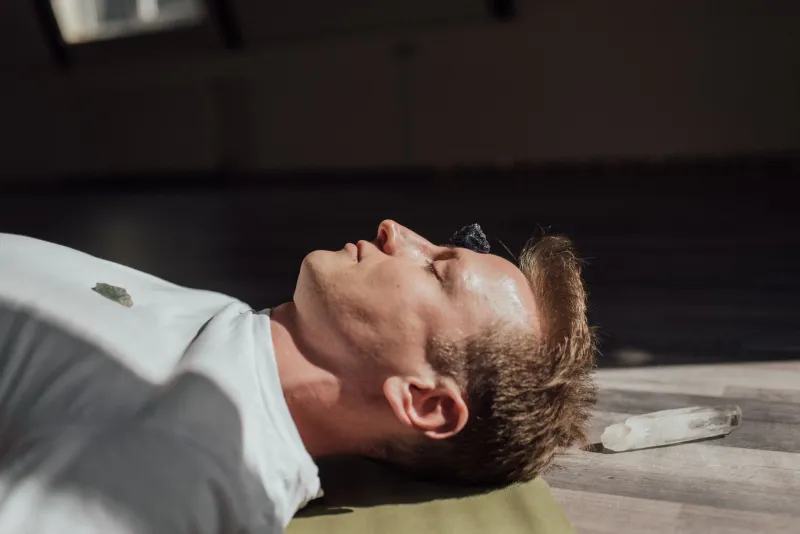
When Medication Alone Isn't Enough
For many men, the decision to seek treatment for erectile dysfunction feels like a significant step forward. Filling a prescription, establishing a routine, and committing to a plan — these are meaningful actions. Yet a substantial number of men find that even with consistent medication use, results fall short of expectations. The reason, more often than not, has less to do with the medication itself and more to do with what is happening between the ears.
Research consistently demonstrates that psychological factors are implicated in a large proportion of ED cases. According to estimates published in peer-reviewed urology literature, anywhere from 20 to 40 percent of erectile dysfunction cases are primarily psychological in origin — and in men under 40, that figure climbs even higher. More importantly, even in cases where a physical cause is identified, anxiety and depression frequently compound the problem, creating a feedback loop that medication alone cannot fully interrupt.
Understanding this relationship is not about minimizing the role of medical treatment. It is about recognizing that the most effective approach to erectile dysfunction is one that addresses both the physiological and psychological dimensions simultaneously.
How Anxiety Sabotages Sexual Function
The mechanics of an erection are, at their core, a vascular event. Sexual arousal triggers the release of nitric oxide, which relaxes smooth muscle tissue in the penis and allows blood to flow into the erectile chambers. This process depends heavily on the parasympathetic nervous system — the branch of the autonomic nervous system associated with rest, digestion, and, critically, sexual arousal.
Anxiety activates the opposing system: the sympathetic nervous system, commonly known as the fight-or-flight response. When this system is engaged, the body prioritizes survival functions. Blood is redirected to the large muscle groups. Adrenaline and cortisol flood the bloodstream. The very physiological conditions required for an erection are suppressed.
For men who experience performance anxiety — a concern about sexual adequacy or fear of repeating a previous episode of erectile difficulty — this process becomes self-reinforcing. A single instance of difficulty can generate anticipatory anxiety, which then increases sympathetic nervous system activity during subsequent encounters, making erectile dysfunction more likely to recur. Over time, what began as a situational event can evolve into a persistent pattern.
Depression, Low Testosterone, and the Hormonal Dimension
Depression introduces a separate but equally disruptive set of mechanisms. Clinical depression is associated with reduced libido, fatigue, and diminished interest in activities that once provided pleasure — all of which directly affect sexual motivation and engagement. Beyond the psychological symptoms, depression has documented effects on hormonal regulation. Chronic depressive states are linked to suppressed testosterone production, and low testosterone is itself a recognized contributor to erectile dysfunction.
The relationship runs in both directions. Erectile dysfunction can trigger or worsen depressive symptoms, particularly in men who associate sexual performance with self-worth or masculinity. This bidirectional dynamic means that treating one condition without addressing the other frequently results in incomplete resolution of either.
It is also worth noting that certain antidepressant medications — particularly selective serotonin reuptake inhibitors, or SSRIs — carry sexual side effects including delayed ejaculation, reduced libido, and in some cases erectile difficulty. Men who are managing depression pharmacologically should discuss these potential effects openly with their prescribing physician to explore alternatives or adjunct strategies.
Therapy Options That Complement Medical Treatment
The integration of mental health support into an ED treatment plan does not require a dramatic overhaul of existing routines. Several evidence-based therapeutic approaches are well-suited to addressing the psychological dimensions of erectile dysfunction.
Cognitive Behavioral Therapy (CBT) is among the most rigorously studied interventions for performance anxiety and sexual dysfunction. CBT works by identifying and restructuring the thought patterns that fuel anxiety — replacing catastrophic thinking with more balanced, realistic appraisals. In the context of erectile dysfunction, CBT can help men disengage from the observer role during intimacy, reducing self-monitoring and allowing for more natural arousal.
Sex therapy, offered by licensed therapists with specialized training in sexual health, addresses both individual psychological factors and relational dynamics. Techniques such as sensate focus exercises are designed to reduce performance pressure by temporarily removing intercourse as a goal and redirecting attention to sensory experience. Many couples find that this approach not only reduces anxiety but strengthens emotional intimacy.
Mindfulness-based interventions have gained considerable clinical support in recent years. Mindfulness practices train the attention to remain anchored in present-moment sensory experience rather than drifting into anxious rumination about outcomes. Studies have shown that mindfulness-based cognitive therapy can reduce sexual performance anxiety and improve erectile function in men with psychogenic ED.
Stress Reduction as a Daily Practice
Beyond formal therapy, daily stress management habits contribute meaningfully to the hormonal and neurological environment that supports healthy erectile function. Chronic stress elevates cortisol levels, which suppress testosterone production and maintain the sympathetic nervous system in a state of low-grade activation.
Regular aerobic exercise is one of the most effective and accessible interventions available. Exercise reduces cortisol, increases nitric oxide bioavailability, improves cardiovascular function, and has well-documented antidepressant effects — all of which directly support erectile health. Even moderate activity, such as brisk walking for 30 minutes most days of the week, has been shown in clinical research to meaningfully improve erectile function.
Sleep quality is another frequently underestimated variable. Testosterone is primarily produced during deep sleep cycles. Chronic sleep deprivation — a widespread issue in the United States, where surveys suggest more than one-third of adults regularly fall short of recommended sleep duration — suppresses testosterone levels and increases psychological stress. Prioritizing sleep hygiene is a straightforward but genuinely impactful step.
Diaphragmatic breathing, progressive muscle relaxation, and structured journaling are additional tools that help regulate the autonomic nervous system and reduce the baseline level of psychological tension that interferes with sexual function.
Knowing When to Seek Professional Mental Health Support
Self-directed stress management is valuable, but there are circumstances in which professional mental health support is clearly indicated. Men who experience persistent low mood lasting more than two weeks, significant anxiety that interferes with daily functioning, or a history of trauma that surfaces in intimate contexts should consider consulting a licensed mental health professional.
Primary care physicians and urologists who treat erectile dysfunction are increasingly familiar with the psychological dimensions of the condition and can provide referrals to therapists experienced in men's sexual health. Telehealth platforms have made access to mental health services considerably more convenient, removing geographic and scheduling barriers that previously deterred many men from seeking support.
The conversation does not need to be complicated. Informing a healthcare provider that psychological stress appears to be affecting treatment outcomes is sufficient to open the door to a more integrated care plan.
A More Complete Path Forward
Medication for erectile dysfunction addresses a specific physiological mechanism — and for many men, it does so effectively. However, the full potential of medical treatment is most reliably realized when the psychological environment supports it. Anxiety, depression, and chronic stress are not obstacles to be endured alongside treatment; they are factors to be actively addressed as part of it.
At VlaQra Health, the commitment to men's health extends beyond the transaction of a prescription. A genuinely effective treatment plan is one that accounts for the whole person — the body and the mind working together toward the same outcome.