Lights Out, Performance Down: The Surprising Science of Sleep and Erectile Health
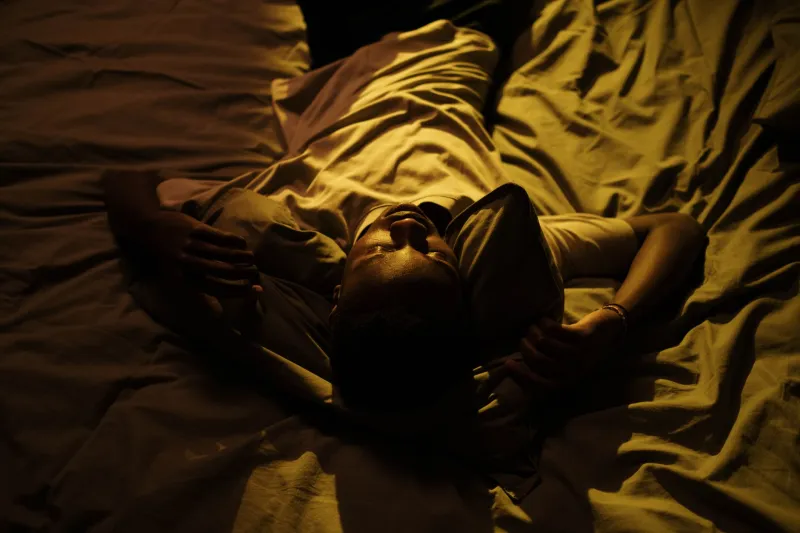
When men seek solutions for erectile dysfunction, the conversation almost always centers on medications, diet, or cardiovascular fitness. Rarely does anyone ask the most fundamental question of all: how well are you sleeping? The relationship between sleep and sexual function is not incidental — it is deeply physiological, governed by hormonal cycles, vascular regulation, and nervous system recovery that all depend on adequate, high-quality rest. Understanding this connection can fundamentally change how you approach your sexual health.
The Hormonal Window That Opens Only at Night
Testosterone, the hormone most closely associated with male sexual drive and performance, is not produced at a steady rate throughout the day. The majority of daily testosterone synthesis occurs during sleep — specifically during slow-wave and REM sleep cycles. Research published in the Journal of the American Medical Association demonstrated that just one week of sleeping fewer than five hours per night reduced testosterone levels in young, healthy men by 10 to 15 percent. That is a hormonal decline comparable to aging a decade in seven days.
For men already contending with ED, this matters enormously. Low testosterone does not only suppress libido; it impairs the body's ability to respond to arousal signals, reduces the sensitivity of penile tissue, and diminishes the overall neurological enthusiasm that initiates and sustains an erection. No medication can fully compensate for a hormonal deficit that is being actively created every night by insufficient sleep.
Nocturnal Erections: Your Body's Built-In Maintenance System
Most men are familiar with waking up with an erection, but fewer understand its clinical significance. Nocturnal penile tumescence — the medical term for erections that occur during sleep — is not a random physiological event. It is a deliberate maintenance mechanism. During REM sleep, the body delivers oxygenated blood to penile tissue, preventing fibrosis and preserving the smooth muscle elasticity required for healthy erectile function.
Healthy men typically experience three to five of these nocturnal erections per night, each lasting between 25 and 35 minutes. When sleep is fragmented, shortened, or chronically disrupted by conditions such as obstructive sleep apnea, these maintenance cycles are cut short. Over time, the tissue receives less oxygenation, smooth muscle health deteriorates, and the mechanical capacity for erection diminishes — independent of psychological factors or medication use.
This is why sleep is not merely a passive state. It is an active repair process, and the penis is one of the primary beneficiaries.
The Vascular Toll of Chronic Sleep Loss
Erections are, at their core, a vascular event. Sexual arousal triggers the release of nitric oxide, which relaxes the smooth muscle walls of penile arteries and allows blood to rush into the corpus cavernosum. This process depends entirely on healthy, responsive blood vessels.
Sleep deprivation compromises vascular health through several mechanisms. First, it elevates cortisol — the body's primary stress hormone — which causes arterial constriction and reduces nitric oxide bioavailability. Second, poor sleep increases systemic inflammation, damaging the endothelial cells that line blood vessel walls and are responsible for producing nitric oxide in the first place. Third, chronic sleep loss is independently associated with elevated blood pressure and insulin resistance, both of which are established risk factors for ED.
In other words, the same vascular damage that poor sleep inflicts on the heart is simultaneously being inflicted on the arteries that supply the penis. The two are not separate problems.
Sleep Apnea: The Hidden Disruptor
Obstructive sleep apnea (OSA) deserves particular attention in any discussion of sleep and erectile health. OSA affects an estimated 22 million Americans, and a significant proportion of cases remain undiagnosed. The condition causes repeated interruptions in breathing during sleep, leading to oxygen desaturation, cortisol spikes, and severely fragmented sleep architecture.
Studies have consistently found that men with untreated OSA are significantly more likely to experience ED than those without the condition. Importantly, treatment with continuous positive airway pressure (CPAP) therapy has been shown to improve erectile function in men with both OSA and ED — in some cases, meaningfully reducing dependence on pharmacological support.
If you snore loudly, wake up feeling unrefreshed despite adequate hours in bed, or have been told you stop breathing during sleep, a conversation with a sleep specialist may be one of the most important steps you can take for your sexual health.
Targeted Sleep Hygiene for Men With ED
Generic sleep advice — avoid screens before bed, keep your room cool, stick to a schedule — is valid but insufficient for men whose sexual health is directly at stake. The following strategies are calibrated to the specific hormonal and vascular demands outlined above.
Protect your sleep architecture. Alcohol is a common sleep disruptor that many men underestimate. While it may induce drowsiness, alcohol suppresses REM sleep, precisely the stage during which testosterone synthesis and nocturnal erections occur. Limiting alcohol consumption, particularly in the three hours before bed, can meaningfully improve sleep quality.
Time your exercise strategically. Physical activity improves both sleep quality and erectile function, but vigorous exercise within two hours of bedtime can elevate core body temperature and cortisol, delaying sleep onset. Morning or early afternoon workouts are preferable for men managing ED.
Address stress before it addresses you. Elevated cortisol from unmanaged psychological stress disrupts sleep and suppresses testosterone simultaneously. Structured relaxation practices — progressive muscle relaxation, diaphragmatic breathing, or brief mindfulness sessions before bed — are not optional wellness extras. For men with ED, they are clinically relevant interventions.
Evaluate your sleep environment for light exposure. Artificial light, particularly blue-spectrum light from phones and televisions, suppresses melatonin production and delays the onset of deep sleep stages. Using blue-light-blocking glasses or enabling night mode on devices after 9 p.m. can help preserve the hormonal timing that supports testosterone production.
Consider your sleep position. Men with mild OSA symptoms may benefit from sleeping on their side rather than their back, which reduces airway obstruction. This simple adjustment can reduce the frequency of apneic events and improve overnight oxygenation.
When Sleep Alone Is Not Enough
Improving sleep quality is a foundational intervention for erectile health, but it is rarely sufficient as a standalone treatment for established ED. Many men find that addressing sleep, alongside other lifestyle modifications, enhances the effectiveness of pharmacological support — meaning medications work more reliably and at lower doses when the body's hormonal and vascular systems are functioning optimally.
At VlaQra Health, we recognize that effective ED management is multidimensional. Our platform connects men with licensed healthcare providers who can evaluate the full picture — including sleep health, cardiovascular risk, and medication options — through a discreet, straightforward process. Whether you are exploring treatment for the first time or looking to optimize a current regimen, addressing what happens during those eight hours is a logical and often overlooked place to begin.
Sleep is not downtime. For the male body, it is prime time — and your sexual health depends on it.