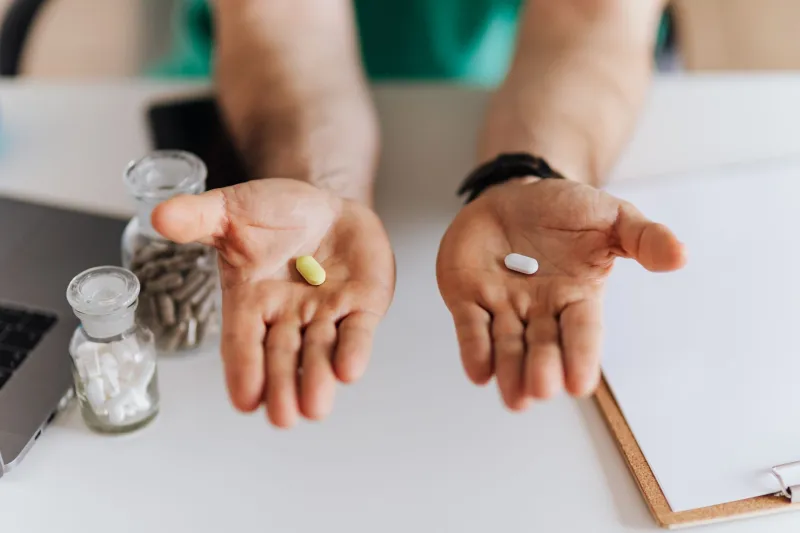
Two Drinks, Two Outcomes: What Alcohol Actually Does to Your Erection
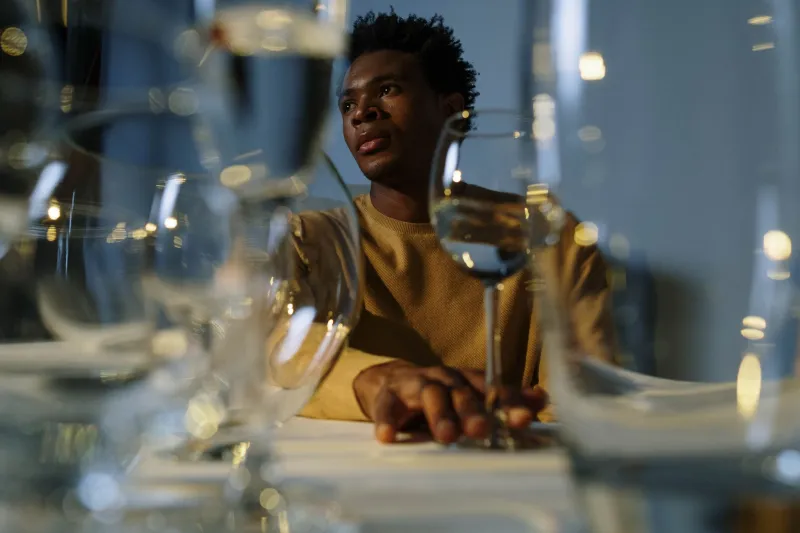
The Confidence Illusion
There is a deeply ingrained cultural script in the United States that associates alcohol with romantic ease. A glass of wine at dinner, a cocktail before a date — these rituals are practically woven into the fabric of how American men approach intimacy. The logic seems straightforward: alcohol lowers inhibition, reduces anxiety, and creates a sense of relaxed confidence. If performance anxiety is the enemy of a strong erection, then a drink or two should help.
The problem is that this logic collapses under physiological scrutiny. What alcohol does to your mind and what it does to your body are two very different things, and those two processes are often working in direct opposition to each other. You may feel more confident. Your vascular system, however, is receiving an entirely different set of instructions.
Understanding this disconnect is not about eliminating alcohol from your life. It is about making informed decisions that support — rather than undermine — your sexual health.
How Alcohol Interacts With the Erection Mechanism
An erection is, at its core, a vascular event. Sexual arousal triggers the release of nitric oxide in the smooth muscle tissue of the penis, which causes blood vessels to dilate and allows blood to fill the erectile chambers. Sustained pressure from that blood flow, combined with the restriction of venous outflow, produces and maintains an erection.
Alcohol disrupts this sequence in several important ways.
Vasodilation and pressure loss. Alcohol is a vasodilator — it causes blood vessels throughout the body to widen. This might sound beneficial, but systemic vasodilation actually reduces the blood pressure necessary to drive sufficient blood into penile tissue. Rather than concentrating blood flow where it is needed, alcohol diffuses it across the body, often producing that characteristic flushed feeling in the skin while simultaneously reducing erectile rigidity.
Central nervous system depression. Alcohol is classified as a central nervous system depressant, meaning it slows neural signaling across the board. Sexual arousal depends on a complex interplay of sensory input, brain processing, and nerve signals traveling to genital tissue. When that signaling is dulled — even modestly — the brain's ability to initiate and sustain the arousal cascade is compromised. The body may be physically stimulated, but the neurological relay responsible for triggering an erection is operating at reduced capacity.
Hormonal suppression. Even moderate alcohol consumption has been shown to temporarily reduce testosterone levels. Since testosterone plays a supporting role in libido and sexual response, a reduction — even a short-term one — can blunt arousal at the hormonal level, adding another layer of interference to an already taxed system.
The Dose-Dependent Reality
Not all alcohol consumption affects erectile function equally. The relationship is dose-dependent, meaning the impact scales with how much you drink.
At low levels — roughly one standard drink for most men — the effects are relatively mild. The social ease and minor anxiety reduction may, for some individuals, produce a net neutral or even marginally positive experience. The physiological interference is present but not severe enough to overcome a healthy erectile response in men without underlying vascular issues.
At moderate levels — two to three drinks — the neurological and vascular suppression becomes more pronounced. Many men at this level report a noticeable reduction in erectile firmness or difficulty maintaining an erection through completion. The confidence they feel is real. The physical response, however, is measurably compromised.
At higher consumption levels, the effects become significant enough to produce what is colloquially known as "whiskey dick" — a complete or near-complete inability to achieve an erection despite sexual desire and stimulation. This is not a myth or an exaggeration. It is the predictable physiological outcome of severe central nervous system depression combined with systemic vasodilation.
Chronic Use: A Longer Shadow
Beyond a single night's drinking, habitual heavy alcohol use creates lasting damage to the systems that support erectile function. Chronic alcohol consumption is associated with peripheral neuropathy — nerve damage that can impair the sensitivity and signaling required for arousal. It is also linked to liver dysfunction, which affects hormone metabolism and can elevate estrogen levels relative to testosterone over time.
Perhaps most significantly for long-term sexual health, heavy drinking is a well-established risk factor for cardiovascular disease, hypertension, and endothelial dysfunction — conditions that directly compromise the vascular health upon which erectile function depends. In this sense, alcohol's impact on erections is not limited to the evening of consumption. It can contribute to the gradual erosion of the physiological infrastructure that makes healthy sexual function possible.
Timing and Practical Considerations
For men who choose to drink and wish to minimize the impact on sexual performance, timing matters considerably. Alcohol is metabolized at roughly one standard drink per hour for most adults. Allowing adequate time between drinking and sexual activity gives the body an opportunity to process alcohol and reduce its acute physiological effects.
Hydration also plays a role. Alcohol is a diuretic, and dehydration can compound its vascular effects. Drinking water alongside alcohol and maintaining adequate hydration before intimacy can partially offset some of the circulatory interference.
It is also worth noting that the anxiety-reduction many men seek from alcohol before sex is often better addressed through other means — open communication with a partner, mindfulness practices, or, where appropriate, consultation with a healthcare provider about underlying performance anxiety.
When Alcohol and ED Medications Intersect
For men who use prescription erectile dysfunction medications, the interaction with alcohol warrants particular attention. Both alcohol and PDE5 inhibitors — the class of medications that includes sildenafil and tadalafil — have vasodilatory effects. Combining them can produce additive blood pressure reduction, which may result in dizziness, lightheadedness, or in some cases, fainting. This is not a theoretical risk; it is a documented pharmacological interaction.
Moderate alcohol consumption is generally considered compatible with ED medications, but heavy drinking is not. Men using these medications should review the specific guidance provided with their prescription and consult their prescribing physician if they have questions about safe consumption thresholds.
Reframing the Pre-Intimacy Drink
The cultural association between alcohol and sexual confidence is powerful enough that many men have never seriously questioned it. But the physiology tells a different story — one in which the confidence alcohol provides is real, while the performance enhancement it seems to promise is largely illusory.
For men experiencing erectile difficulties, alcohol is more likely to be a contributing factor than a solution. And for men whose erectile function is currently healthy, habitual heavy drinking represents a meaningful long-term risk to the vascular and neurological systems that sustain it.
None of this requires abstinence or the abandonment of social drinking. It does, however, call for a more honest accounting of what that pre-intimacy drink is actually doing — and whether the trade-off is worth making.